3 Million Meal Kits. No Inventory Headache.
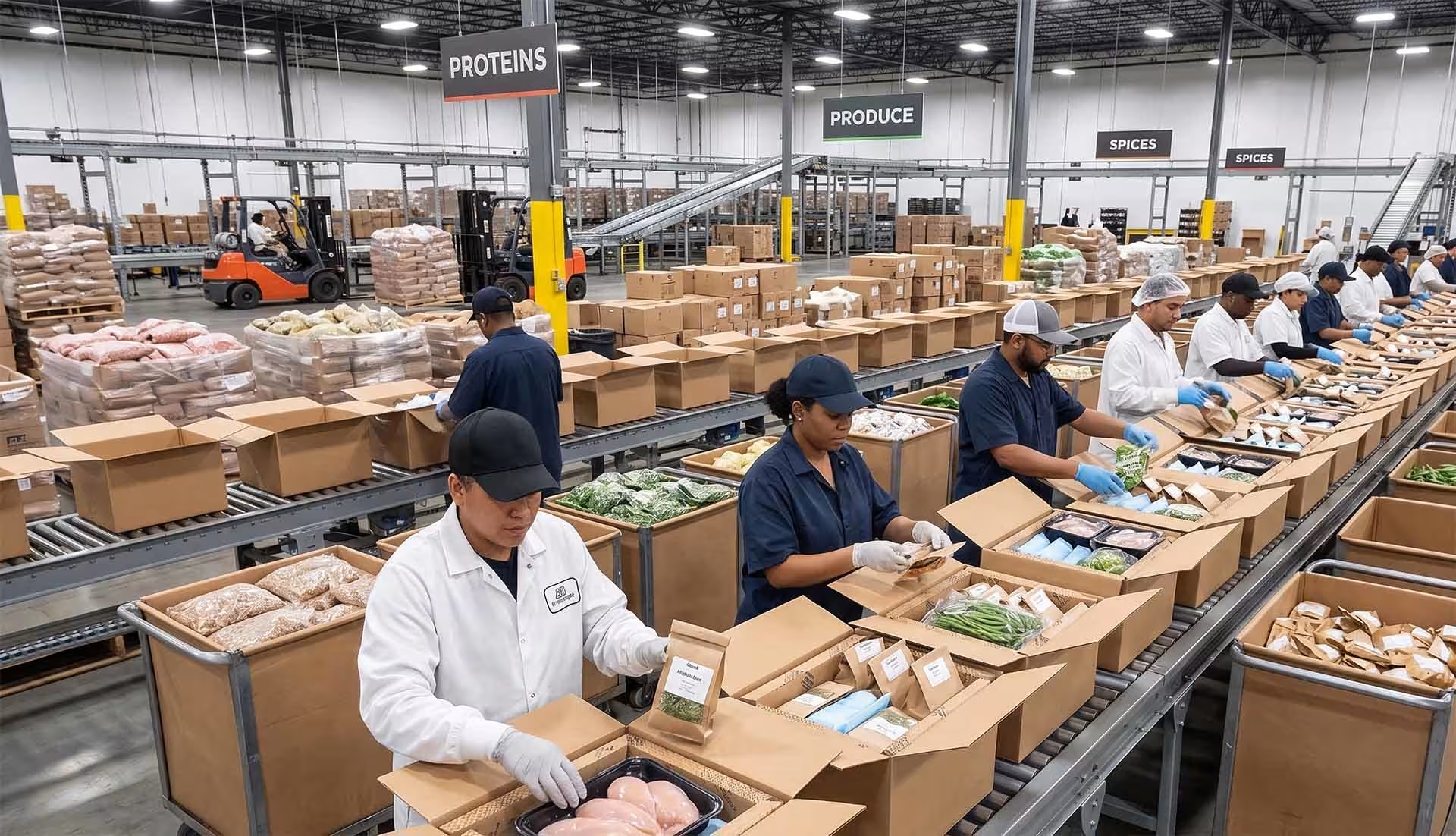
How a major meal delivery brand switched to WaveKraft thermal liners and got seasonal flexibility, supply chain simplicity, and curbside recyclability in one move.
Cold chain packaging that can't adapt is an operational liability.
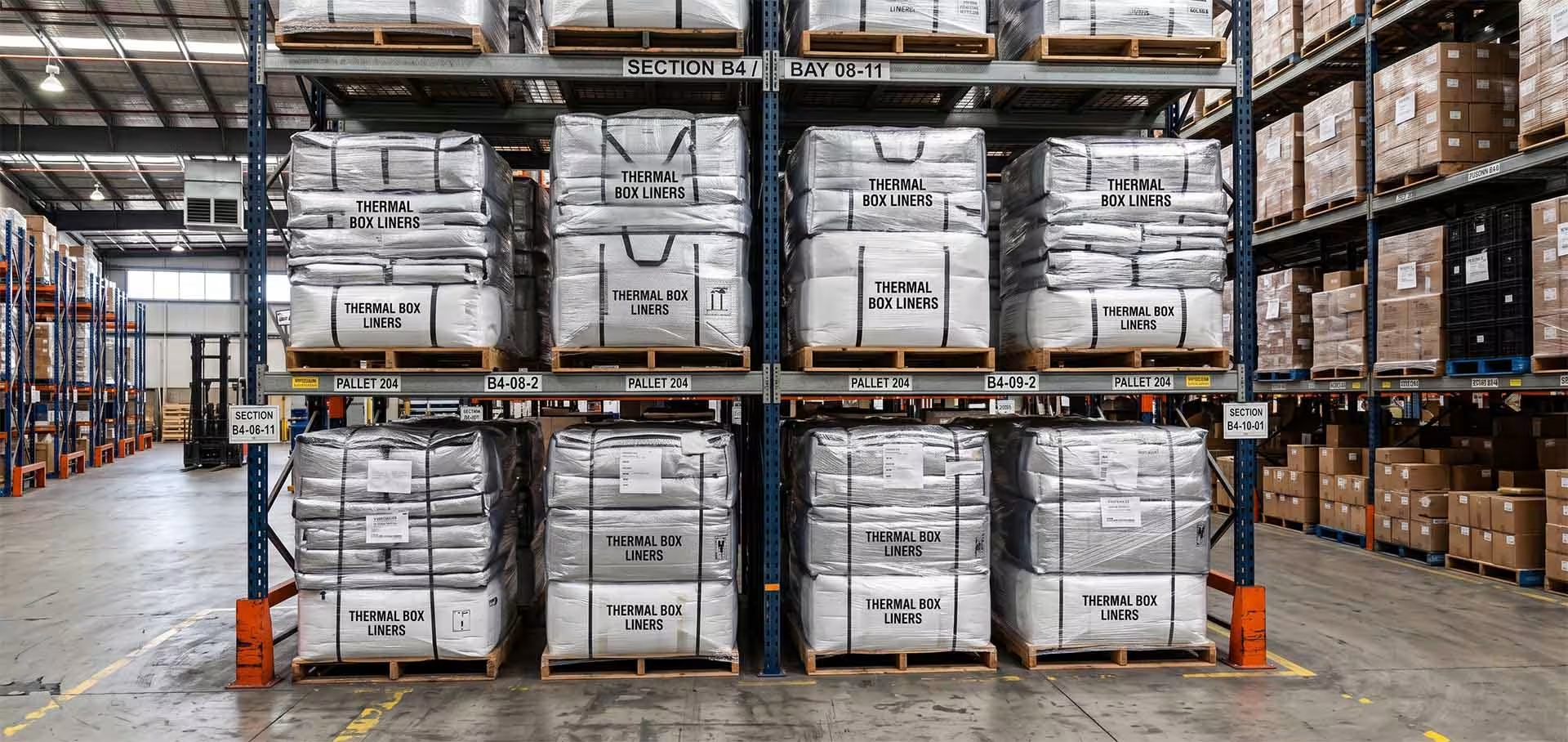
For a meal kit brand shipping millions of orders a year, insulation isn't optional — it's the product promise. But the traditional approach to cold chain packaging creates a problem that compounds as you scale: you have to forecast how much insulation you'll need weeks in advance, hold significant stock of multiple seasonal variants, and accept the cost and complexity of managing a separate insulation supply chain alongside your food supply chain.
Most insulation materials in the market compound this further. Foam and denim liners are bulky to store and transport. Metallised alternatives aren't genuinely recyclable at kerbside. And none of them adapt to changing seasonal thermal requirements without a manual reorder and a new SKU.
On-demand production. Ten SKUs. No forecast headaches.
This major meal delivery brand deployed WaveKraft thermal liners — produced on-demand, close to their fulfilment operation — to insulate fresh meal kit shipments across all seasons. The WaveKraft On-demand platform means liners are produced as needed rather than ordered, stored, and forecast weeks in advance.
The result is 10 validated seasonal configurations that the operation can switch between at the touch of a button. Thinner panels in winter. Thicker multi-stack configurations as temperatures rise. The same machine, the same production site, the same kitting process — just a different configuration requested from the supplier. Summer configurations have been verified to hold temperature for 56+ hours in our ISTA® Thermal Transport Lab.
The season drives the spec. A thin single-panel liner in January becomes a thicker multi-stack configuration in July. WaveKraft adapts, so your supply chain doesn't need to.
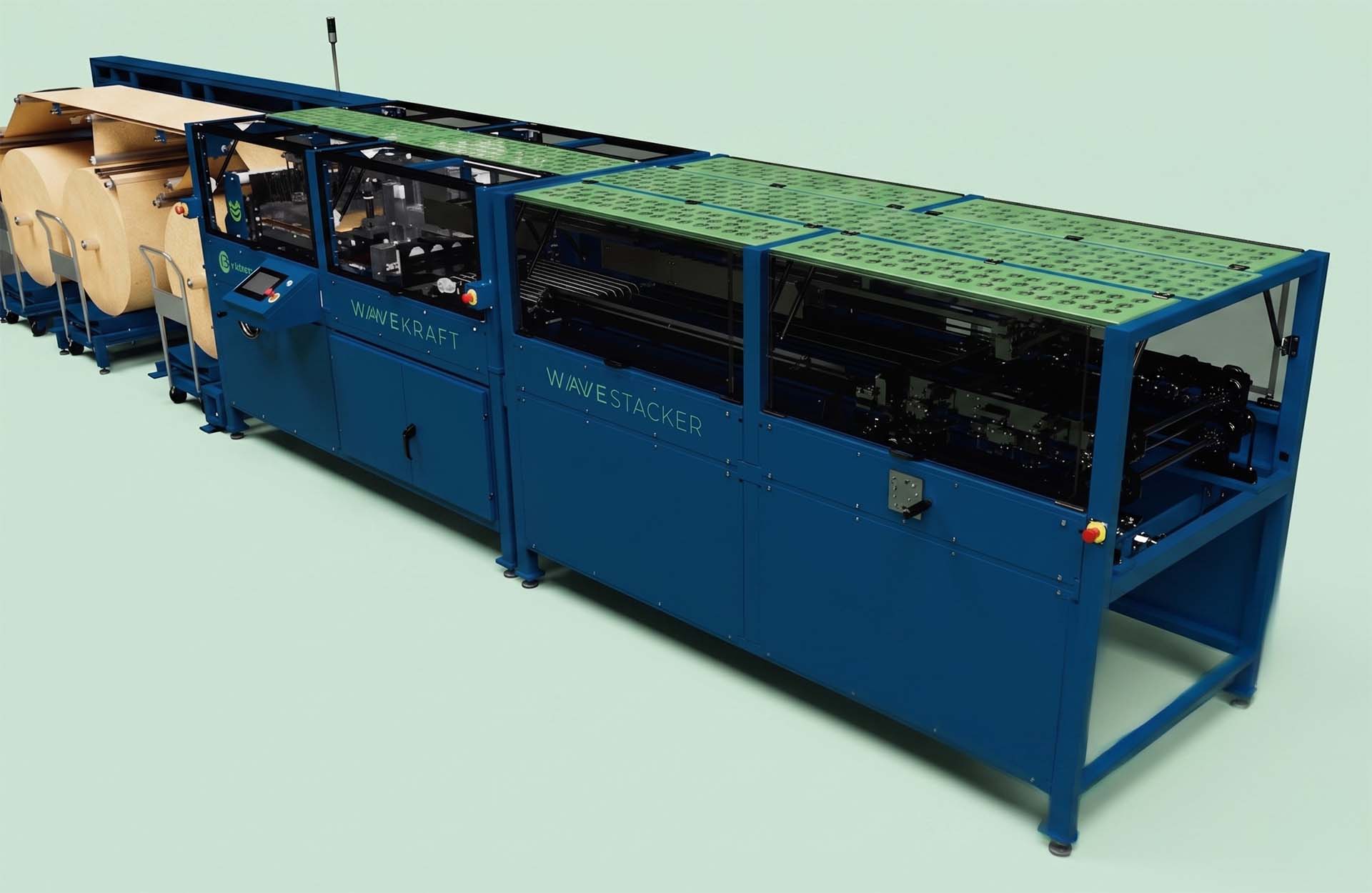
The liner is paper-based and curbside recyclable (certified Widely Recyclable by How2Recycle in the U.S.) and curbside recyclable (Recycle at Home by OPRL in the U.K.). For a brand whose customers care about sustainability, that matters at the doorstep. It's the answer to the question meal kit brands keep hearing: what do I do with this packaging?
If you're shipping meal kits, the questions are the same.
Whether you're shipping 50,000 kits a week or 5 million a year, the operational tension is identical: insulation that performs across seasons, doesn't eat your warehouse, and doesn't require multiple suppliers. And doesn't embarrass your brand at the doorstep.
WaveKraft thermal liners were built for exactly this. On-demand production means you're not forecasting packaging months in advance. Seasonal flexibility means you're not over-packaging in January to cover yourself in July — just request a different configuration at the touch of a button. And curbside recyclability means the last thing your customer sees — the liner in their recycling bin — reinforces the brand, not undermines it.
Results
More than 3 million meal kits shipped annually at scale and with consistent all-season cold chain performance.
10 seasonal SKUs managed on-demand and switchable at the touch of a button.
Zero headaches from trying to forecast insulation needs 5-6 weeks in advance.
More than 56 hours of verified summer cold protection.
Case study reflects verified operational data from a major meal delivery brand. Customer name withheld by agreement.
Other case studies
See all