Part 2: Cold Chain Shipping Factors
When cold chain shipping is boiled down to the basics, the following factors arise as the driving ones:

These are just a few of the many perishable foods we use everyday that are temperature sensitive.
For example, milk must stay in the refrigerator or else it will spoil. But have you ever thought about how milk remains at a safe temperature from the time it’s produced until you purchase it at the market? Temperature sensitive products require thermal shipping solutions and in this case what is called a “cold chain” to remain safe and/or viable for consumption or use.
The term “cold chain” is a broad term used to describe a temperature-controlled supply chain. The cold chain requirements (i.e., acceptable temperature ranges) of one product may look completely different from those of another.
Managing cold chain logistics has always been complex, and those complexities are continuing to evolve with the growth of the eCommerce industry.
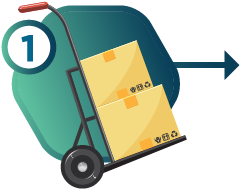
Traditionally, cold chain products have been moved in high volumes to a small number of destinations. Revisiting the milk example, the cold chain for moving thousands of gallons of milk from a dairy farm to a grocery store might look like this:


With the direct to consumer industry booming, consumers now have the option to buy their milk online, perhaps from a boutique dairy farm multiple states away. As you’d imagine, the cold chain for this model looks vastly different from the cold chain of the “traditional” milk model.
Instead of shipping thousands of gallons of milk each of a few grocery stores, this boutique farm might be shipping a single gallon of milk to thousands of different addresses around the country. While the cold chain requirements stay constant in both models (milk still has the same safe temperature ranges), managing the cold chain for the latter model is a very modern challenge that businesses of today are working on overcoming.
These B2C (business to consumer) cold chains require specialty packaging and other packaging components to ensure that product integrity remains intact during transit. We’ll spend the rest of this article digging into the factors, science, and examples of the cold chain shipping industry.
All three of the above factors combine to form the foundation of what is referred to in the industry as a User Requirement Specification (URS). Selecting the appropriate “requirements” for your packaging is a balancing act between cost and risk level.
Let’s say it’s the holiday season and you’re shipping a cosmetic product between New York and several customers within the Northeastern US with a 1 day transit time. The cosmetics have been proven stable between 0°C and 20°C.
You have the ability to set your URS to the level of risk you want to take when shipping your product. In an extremely conservative case, you can say that you want the packaging to maintain a product temperature between 5°C and 15°C for 3 days, regardless of the outside temperature (warm or cold).
This URS would prevent any courier delays or any abnormal temperatures for the season from harming the shipment, but would also result in unnecessarily expensive packaging to accommodate the conservative requirements.
A more cost-effective URS might require the product temperature to stay between 0°C and 20°C for 2 days in Winter temperatures. This wider temperature range and shorter duration will result in less expensive packaging, but will still give you reasonable risk mitigation to account for unexpected delays during shipment.

The three factors discussed above all come into play when considering the science that drives the cold chain shipping industry—thermodynamics, a sub-discipline of physics that essentially governs how heat (energy) is transferred.
Thermodynamics is governed by four laws, the second of which is most important for our discussion
Sparing you the technical nuances, the important morsels to acknowledge are that:


The 2nd Law states that heat moves. But how? Hundreds of years of thermodynamics studies have codified the transfer of heat into three modes:
Because it’s the form of heat transfer most relevant to thermal insualtion, let’s take a deeper look at Conduction…

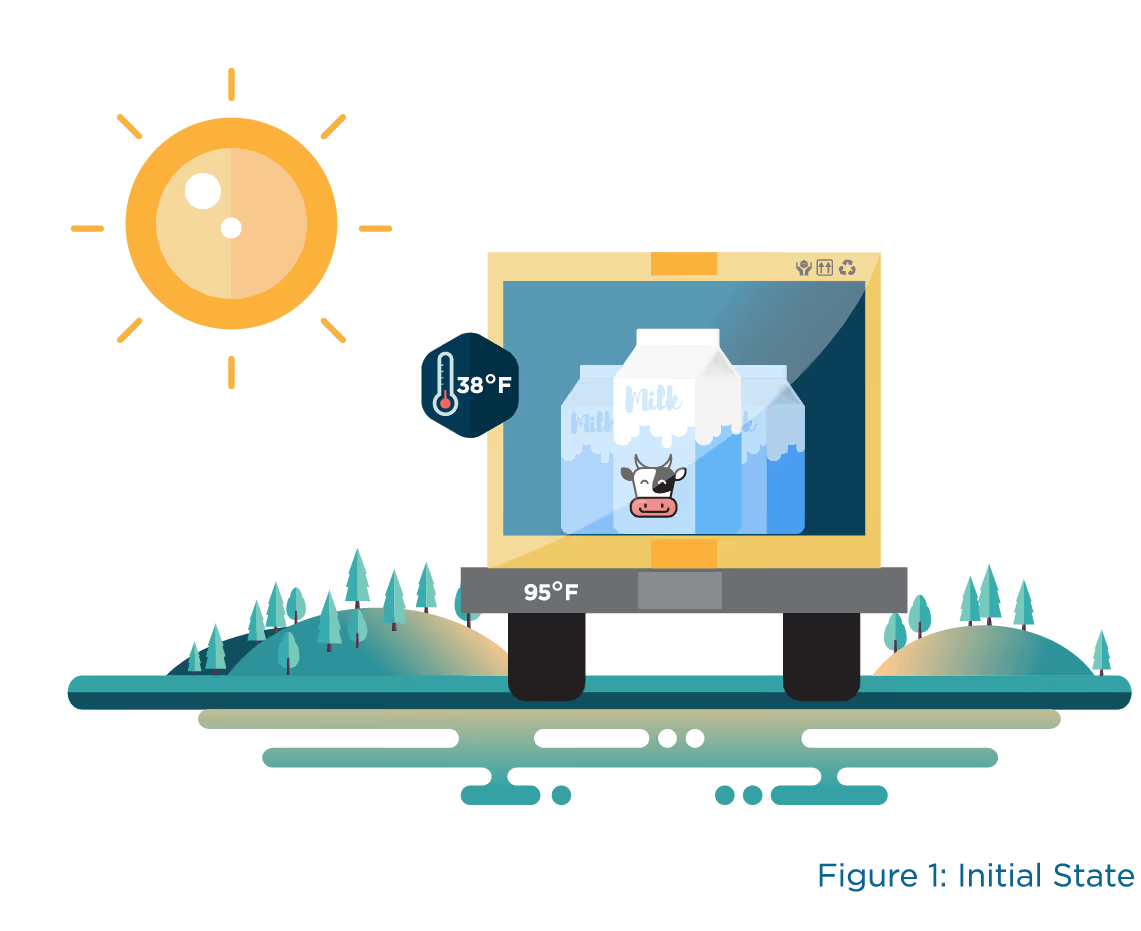
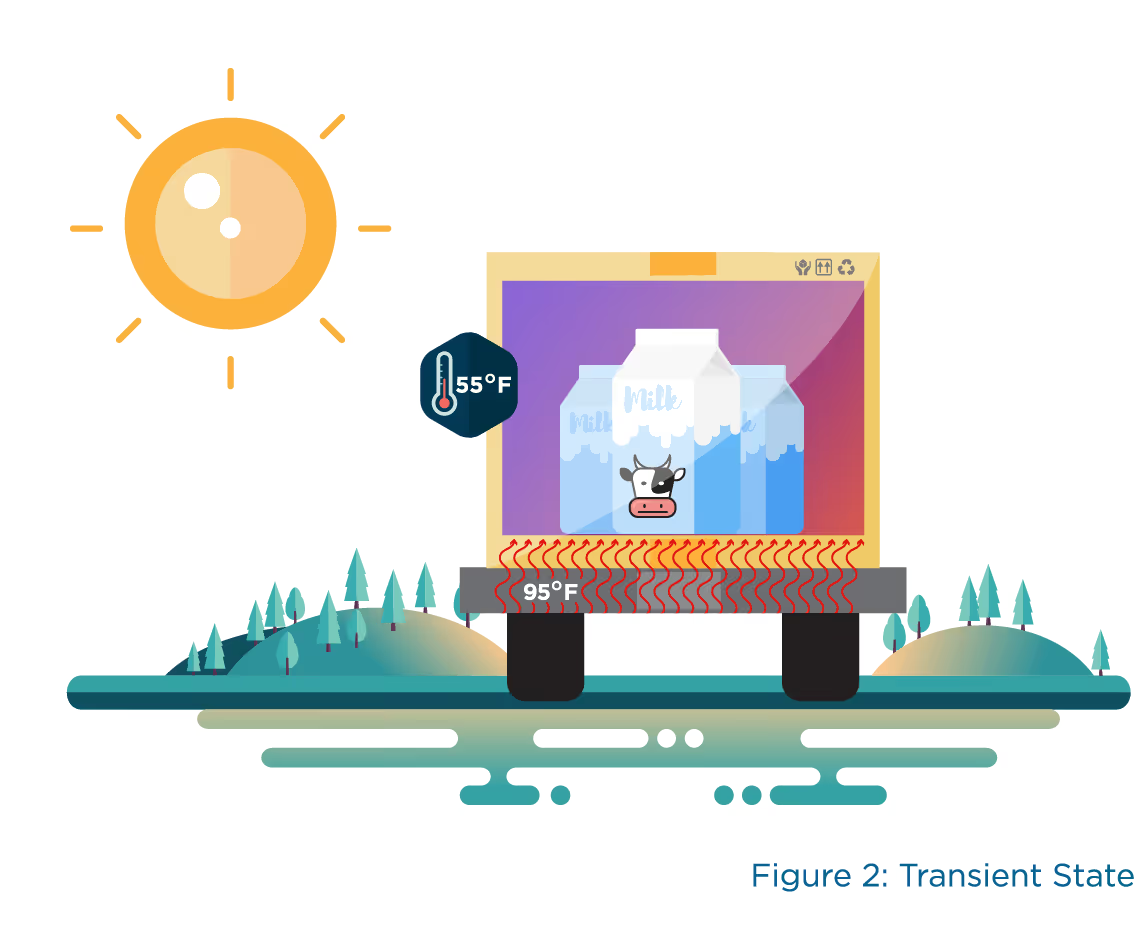
Let’s consider a cold chain shipping example where conduction is the primary mode of heat transfer. The image shows your gallon of milk freshly packed in an insulated box beginning its journey to the customer. Since it’s summer weather, the bed of the truck is very hot.

As we learned from the 2nd Law of Thermodynamics, heat will flow from hot objects (the truck bed) towards cold objects (the milk) and will continue to flow until the temperatures reach an equilibrium (ie – both temperatures are equal).The image shows the heat being transferred into the box and gradually heating up the contents of the box.

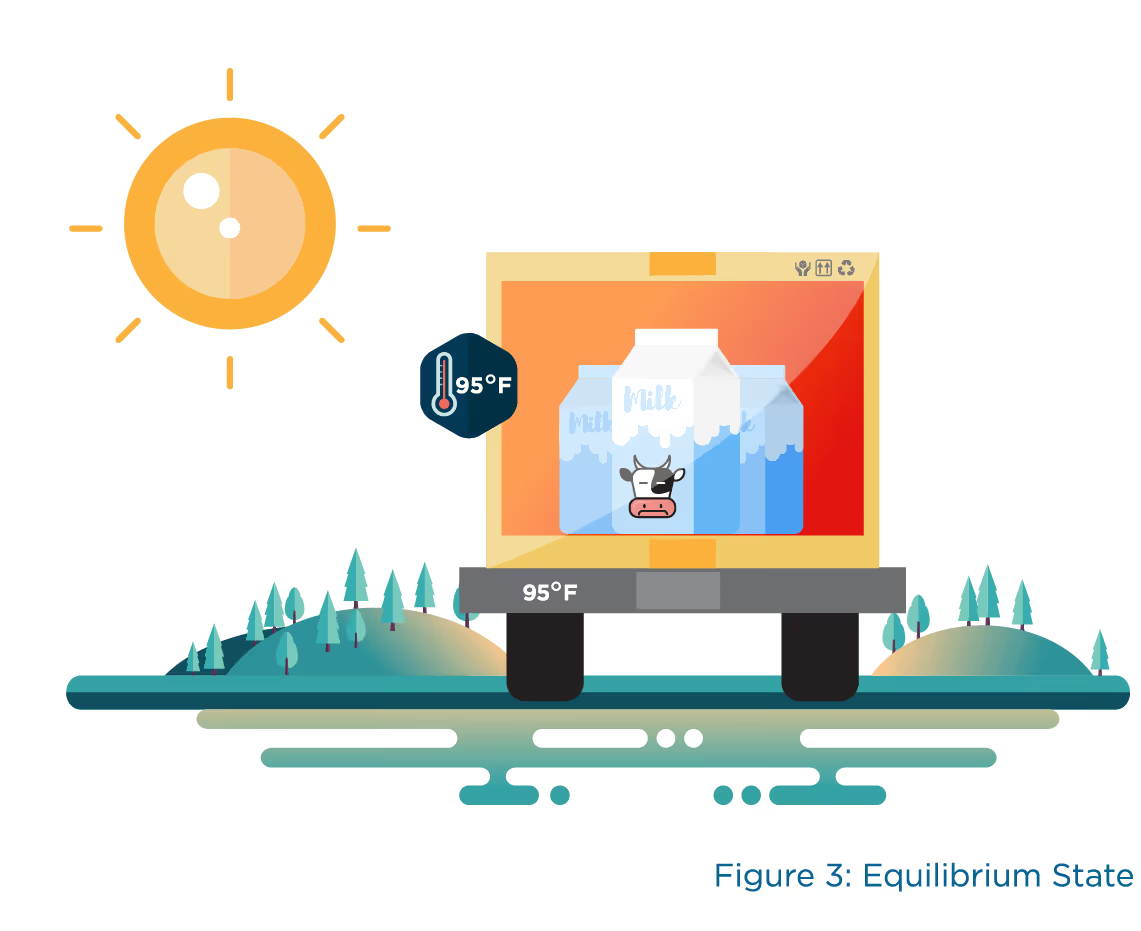
This image shows the heat transfer ending because a thermal equilibrium across the box has been reached.
Where:
Q = Amount of heat transferred
k = Thermal conductivity of the material transferring the heat. A highly conductive material will allow heat to flow through it very easily. Thermal conductivity is an intrinsic material property of the insulation used to line the box
FUN FACT: the inverse of thermal conductivity is thermal resistance (R-value!) and describes how good a material is at resisting the transfer of heat!
A = area over which the heat is transferring
The surface of the box in contact with the truck bed
ΔT = difference in temperature across the material transferring heat
57 degrees (95 degrees – 38 degrees)
x = thickness of the material transferring heat
thickness of the insulation used to line the box
Circling back to the basics, we know that heat is bad for your cold chain products, so you want to select packaging that will minimize the “Q” that is transferred from the ambient environment into the product being shipped.
Some of the variables in the heat transfer equation discussed above can be considered constants (or near constants) that you can’t tweak when managing your cold chain:
That leaves you with two variables left for you to manipulate with your packaging decisions
Once you identify your URS, you can apply those requirements to some basic thermodynamics equations and start making smarter decisions about your packaging.
Making the switch from traditional materials to sustainable and eco-friendly packaging is no longer a part of the distant future, but a current reality that companies must embrace to maintain a high ROI, nurture their stakeholder relevance and reduce their overall impact on our planet.
While it may not seem like an easy transition, sustainability in all aspects of your business begins with a commitment from you and all members of your company.