Transitioning to Sustainable Thermal Packaging

If your company makes or ships a product that needs to be kept cool, cold, frozen, or hot, thermal packaging plays a huge role in your future.
This post contains the What, Why, and How of thermal packaging that sustains the planet and your business.
As our on-demand economy grows, whether you prepare fresh meal kits, frozen steaks, or ice cream, or develop cutting-edge biologic medicines, vaccines, reagents, there’s a good chance your customers want it delivered to their door, or will soon.
According to Nielsen, consumers will spend roughly $100 billion in online groceries by 2025.
Protecting those perishable shipments is the humble job of thermal packaging. This job used to be a dirty one, done by expanded polystyrene foam. If you don’t know what EPS is, it looks like this:
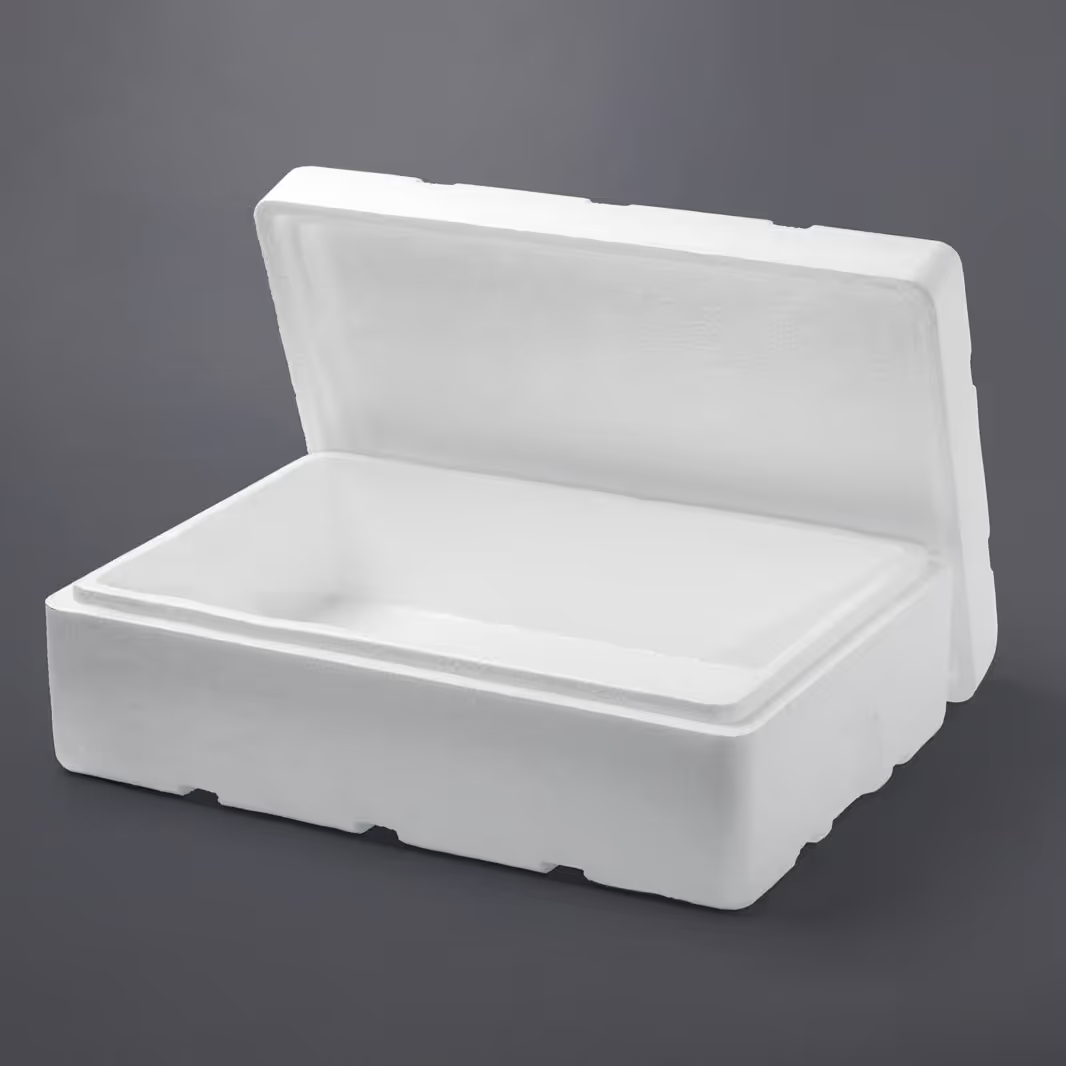
EPS does the job really well.
It’s inexpensive, but it’s plastic, cannot be recycled and does not biodegrade, and probably causes cancer, according to the World Health Organization. EPS also adds to landfills, where it might live forever.
This is a real problem
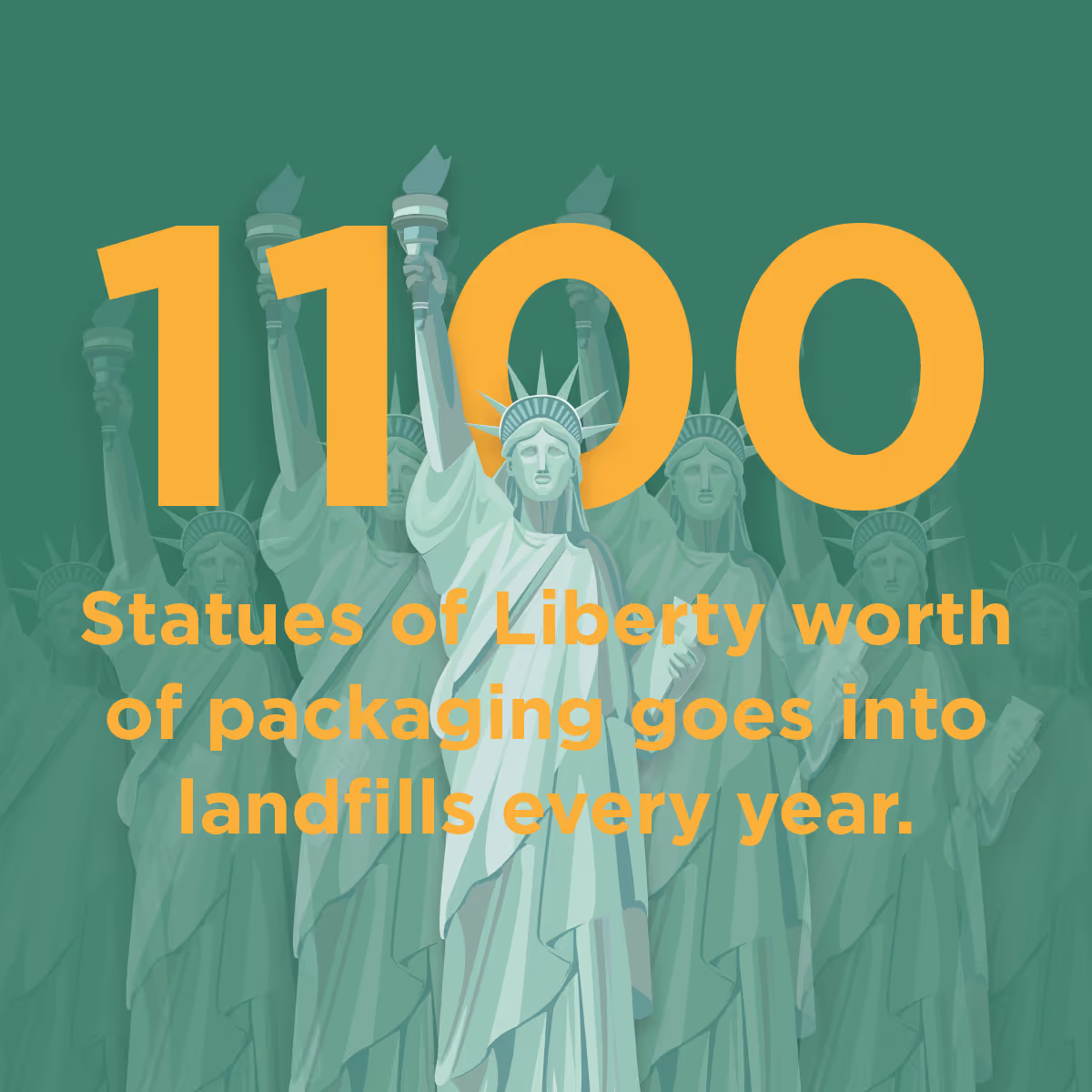
According to the EPA, containers and packaging account for 23% of the 150 million tons of waste that goes into landfills every year. That’s like 1,100 Statues of Liberty worth of packaging going into landfills every year!
Part 1: What is Sustainable Packaging?
Sustainable packaging solutions are materials that take into account the entire life cycle of their usage.
Most packaging serves a single-use function and rarely takes into account where it will end up. Sustainable packaging can be a combination of different elements that reduce the carbon footprint, utilize rapidly-renewable inputs, and improve the lifecycle or reusability of the overall packaging.
There are many characteristics that impact how sustainable a packaging solution is. Here are a few:


Many more factors exist in the sustainable packaging field, although these four are perhaps the most sought-after by Fortune 500 companies in the world today. Be sure to choose a factor or combination of factors that make the biggest impact on your company.
Part 2: Basic Principles Of Sustainable Packaging
As a general rule, the creation of sustainable packaging must adhere to certain guidelines under the protection of the Sustainable Packaging Coalition (SPC). The goal of the SPC is to help educate brand and business managers in government regulations regarding the proper distribution and management of sustainable packaging materials.
According to the SPC, there are four traits that packaging products should exhibit to be truly sustainable in every sense. These are:


It’s not easy to achieve all of these goals, even for relatively simple packaging solutions. Given the low cost of conventional single-use plastic packaging, even companies with the best intentions rarely get an A+ on each of those four metrics.
Reaching these sustainability goals is much more complicated when we’re talking about the much more complex challenge of thermal packaging.
Part 3: What is Thermal Packaging?
Thermal packaging is packaging that insulates a product against temperature change.
It includes any packaging solutions whose primary goal is to preserve, maintain, and otherwise insulate a product against heat or cold that could harm its integrity. In most cases, the enemy is heat.
Thermal packaging is particularly important to industries that require safe transit with little to no changes in product temperature. These commonly include chemicals or medications, foodstuffs, and plants or seeds.
Typically, thermal packaging requires three core components:
Coolants
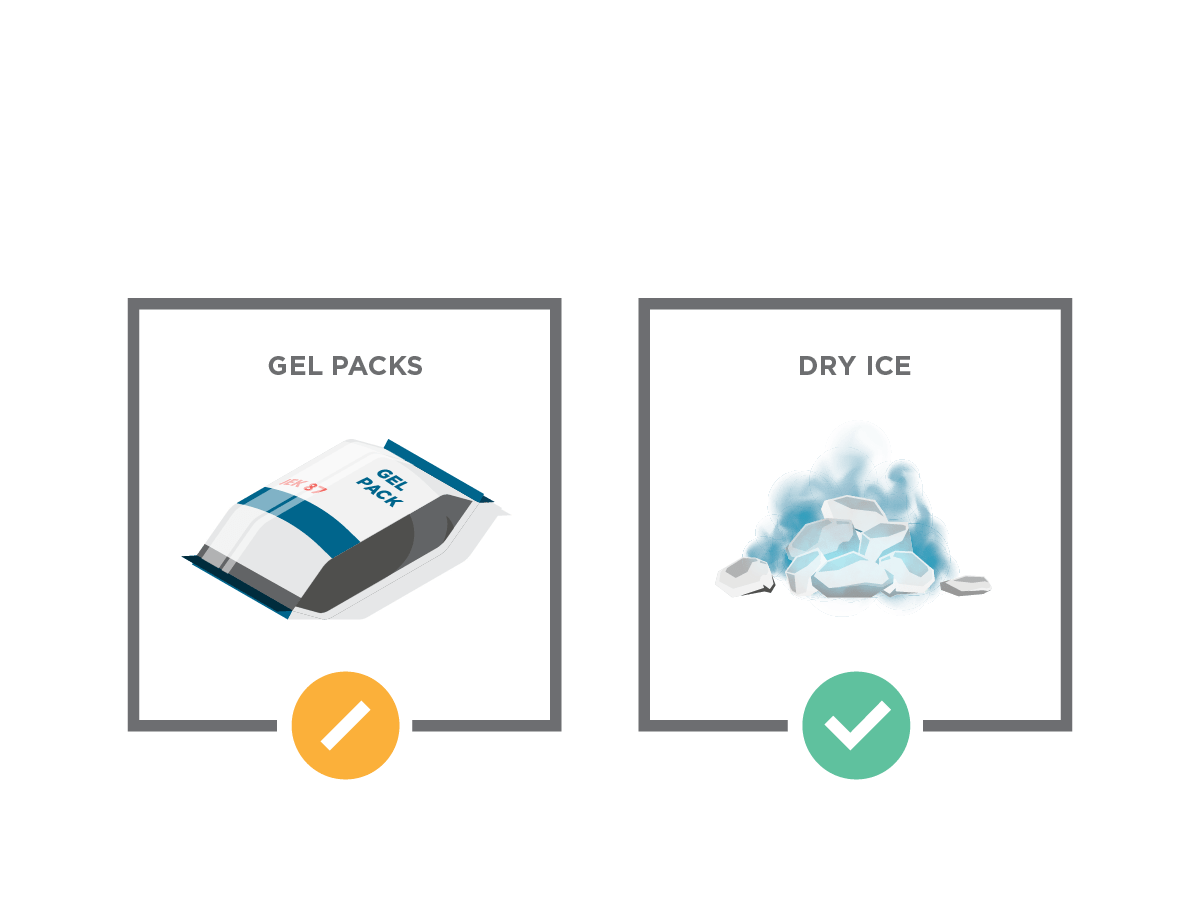
Coolants are components that actively create temperature change. The most common ones include ice, gel packs, dry ice.
- Dry ice is extremely cold, frozen carbon and dissipates over time, leaving nothing behind to dispose of.
- Gel packs are frozen liquid inside of a bag or container. Some are drain-safe, others need to be thrown away, some are even made of plant fertilizer and maybe once again returned to the earth.
Gel packs are good coolant, but they are traditionally wrapped in unrecyclable plastic. Dry ice is a great coolant that disappears after usage.
Insulation
Insulation is material that doesn’t allow air (and therefore heat) to transfer. It keeps the cold in, even when it’s very hot outside.
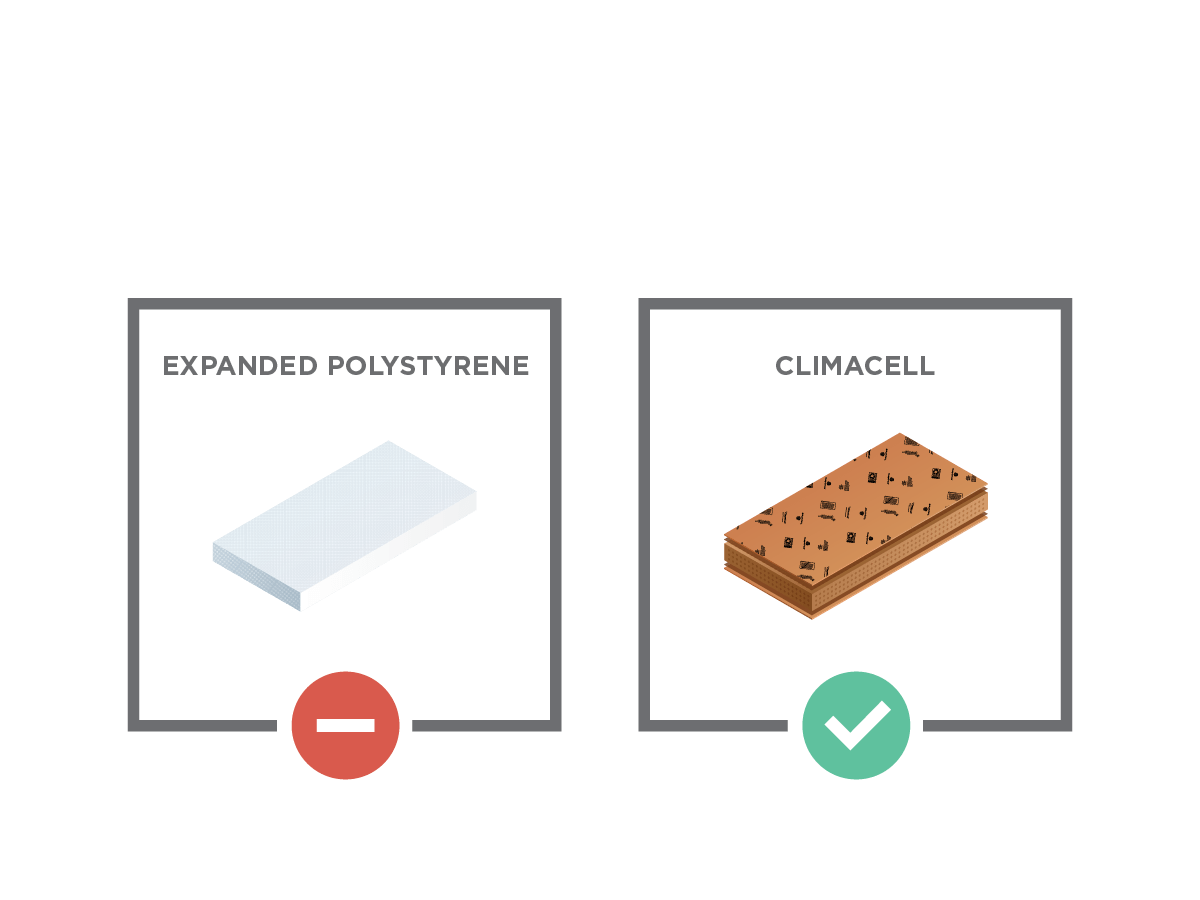
- Expanded Polystyrene (EPS), better known as Styrofoam, is the most widely-used insulation. It’s effective as an insulator, but it’s an oil based plastic and is considered a likely carcinogen by the World Health Organization.
- Other materials have entered the market, including repurposed plant fiber, recycled PET, corn starch, and ClimaCell.
EPS is an old and effective insulator, but is extremely bad for the environment, both in its manufacturing process and end of life. New insulators like ClimaCell perform as well as EPS and are fully curbside recyclable.
Shipping Containers
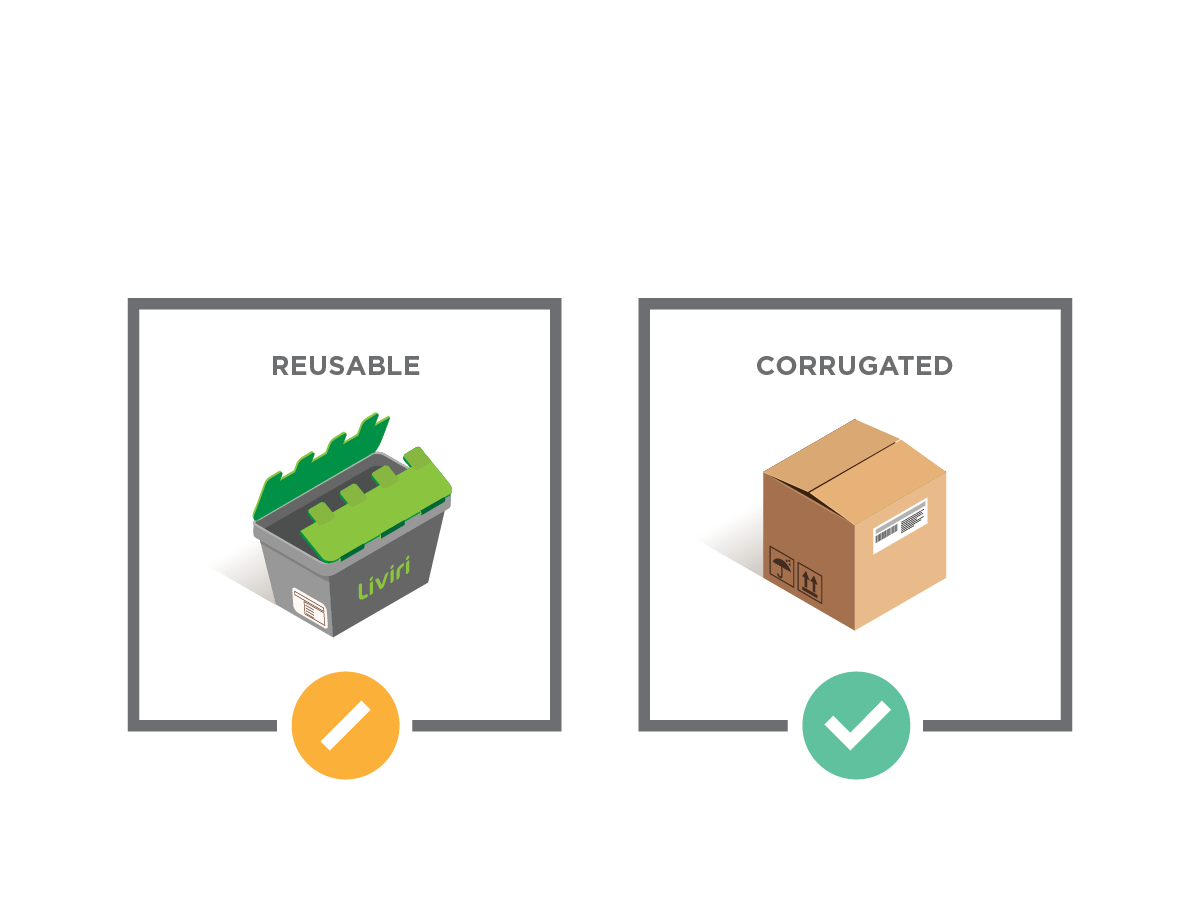
Shipping Containers are the outermost barrier of an insulated shipper - typically a corrugated box.
- These are typically the most sustainable part of the solution, since they are plant-based and curbside recyclable.
- Corrugated boxes are the most widely-recycled material in the country. They are recycled correctly 92% of the time, according to the EPA.
There has been a lot of press about reusable packaging. While the benefits are great for these types of shipping containers, their practicality in real-life situations is bad. Many of these containers are built stronger than necessary and never see the lifespan they were originally intended for.
The good news is, recent years have brought innovation to both coolants and insulation, to put more sustainable packaging within reach.
At TemperPack, we’ve focused on insulation, with ClimaCell being our latest innovation, and we believe the most complete thermal insulation on the market:
- Delivers high thermal performance similar to that of EPS, with comparable R-Values at equal thicknesses.
- Highly customizable material allows packouts to be designed to minimize DIM weights and shipping costs.
- Ships in flat panels for more efficient warehouse and truck space use.
- Semi-rigid, weight bearing material which can be easily folded and assembled in the fulfillment center.
- Made using plant-based inputs.
- Low-energy manufacturing process. Reduces CO2E emissions by 94% compared to manufacturing EPS.
- 100% curbside recyclable. The first curbside recyclable, thermal insulator to receive the “Widely Recyclable” designation from How2Recycle®, a program from the Sustainable Packaging Coalition.
Part 4: A Guide To Transitioning To Sustainable Thermal Packaging
The process of transitioning to temperature-controlled sustainable packaging begins with CHANGE:
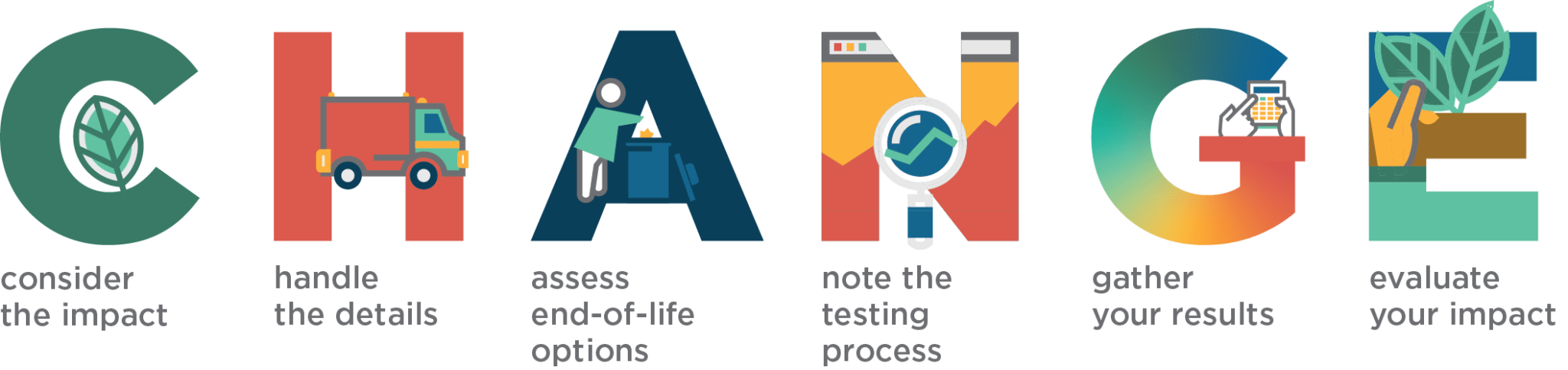




This process has assisted dozens of industries during the initial planning stage, especially pharmaceutical companies, and related distributors.


As companies begin to make the necessary changes and leap into the sustainable packaging industry, TemperPack is proud to offer comprehensive and affordable solutions within this growing industry of packaging and beyond.
Part 5: How Will You Benefit From Transitioning To Sustainable Thermal Packaging?
The benefits included with transitioning from single-use packaging to sustainable thermal solutions go far beyond reducing your carbon footprint. Making the switch to eco-friendly sources will affect your entire production system from development to manufacturing to shipment.


We’re Here to Help.
Making the switch from traditional materials to sustainable and eco-friendly packaging is no longer a part of the distant future, but a current reality that companies must embrace to maintain a high ROI, nurture their stakeholder relevance and reduce their overall impact on our planet.
While it may not seem like an easy transition, sustainability in all aspects of your business begins with a commitment from you and all members of your company.