EPS is still problematic and unnecessary | TemperPack
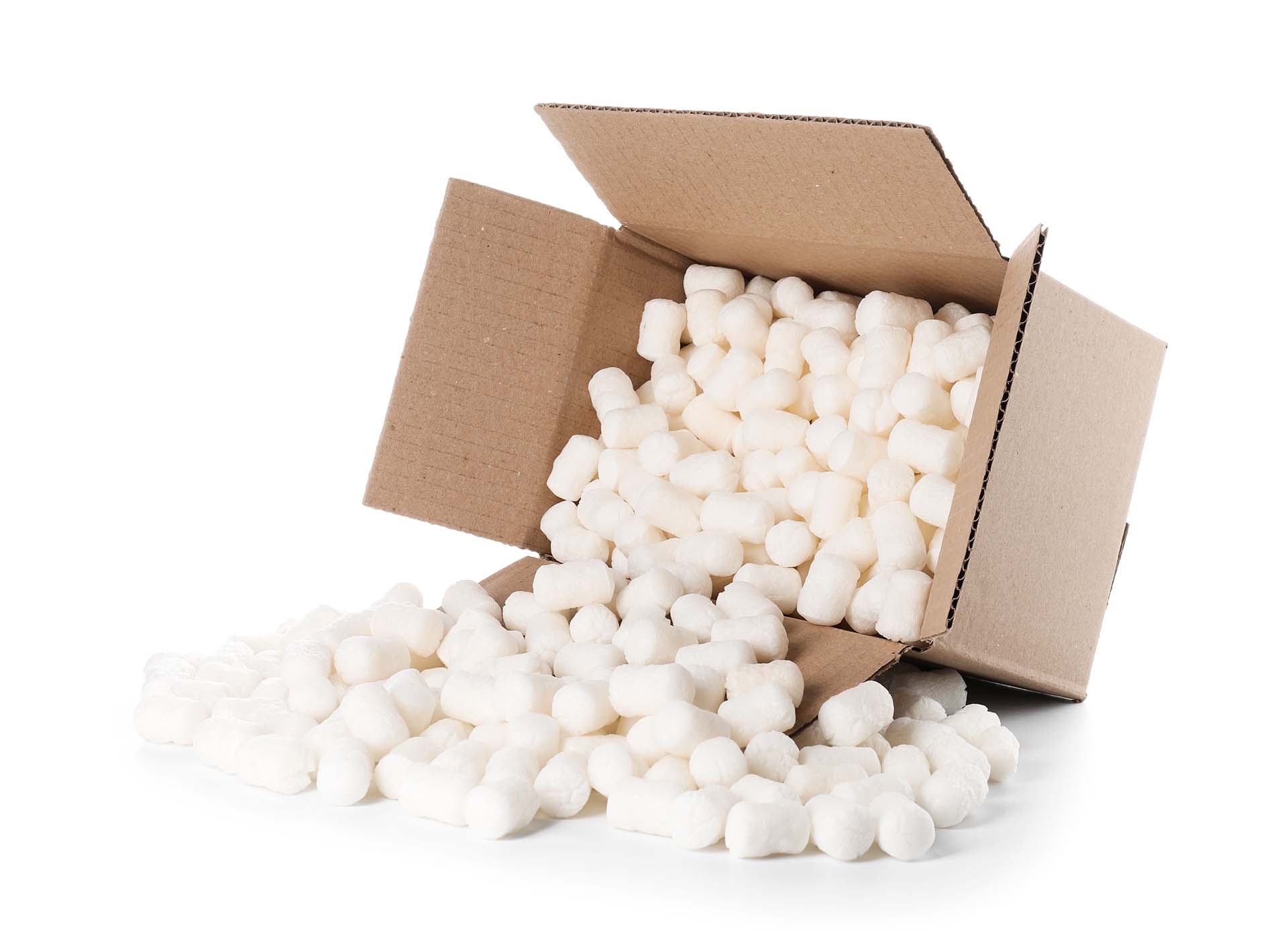
Earlier this month, the U.S. Plastics Pact (USPP) removed expanded polystyrene (EPS) transport packaging from its ‘Problematic and Unnecessary Materials List’ for the first time since the list launched in 2021.
We at TemperPack build packaging specifically to eliminate EPS and have spent years studying its limitations in both operational performance and environmental impact. So when the headline hit, we dug in and looked at the mechanisms behind the decision to understand what this means for the packaging industry.
USPP’s Activator base, its member companies includes many of the largest brands, retailers, and packaging producers in the country. Members and others use this list to decide which materials to phase out of their packaging and to set their sustainable packaging targets. It shapes conversations well beyond USPP’s membership, including Extended Producer Responsibility (EPR) and other packaging regulations.
How does a material get on the list?
The USPP evaluates materials through a decision tree with five criteria, but not all criteria are considered equally. Criterion 1 asks whether a material is reusable, recyclable, or compostable today, or will be by 2030, and if the answer is yes, the material is considered not problematic. Only if the answer for that material is no does it move on to the other criteria that cover hazardous chemicals, avoidability, pollution potential, or disruption to recycling streams.

So a material could meet every condition in Criteria 2 through 5 and still not be considered problematic, as long as it clears Criterion 1. If a material is deemed recyclable, the potential for human harm or litter is not considered.
How does a material get removed?
The Polystyrene Recycling Alliance, a coalition of companies involved in the expanded polystyrene (EPS) supply chain, requested that EPS transport packaging be removed from the list. The alliance advocates for greater recycling of EPS and is an initiative of the Plastics Industry Association, a trade association representing the broader plastics industry. In support of its request, the alliance cited a 31% recycling rate for EPS. The figure was reported by Resource Recycling Systems (RRS) in 2024, while the U.S. Plastics Pact (USPP) states that materials must have a recycling rate of approximately 30% or higher to meet Criterion 1. USPP accepted the recycling-rate data, allowing EPS transport packaging to clear Criterion 1.
The recycling-rate data cited in the request came from the EPS Industry Alliance, a North American trade association representing manufacturers of expanded polystyrene products. Its membership includes more than 50 businesses that manufacture EPS products for applications including packaging, automotive components, and other end uses.
Without being in the room when the decision was made, we don’t know if the review considered the off-gassing of blowing agents that occurs during the production of the foam, the high contamination rates of foam beads in paper mills, or the amount of EPS that breaks off in transit to become litter and watershed contamination. What the decision tree does make clear is that once Criterion 1 is cleared, the other characteristics of EPS no longer have to be weighed.
Nuances that didn’t make the headline
The 31% recycling rate represents only transport packaging, mostly business-to-business or warehouse-to-retail transportation where the material is disposed of by the retailer. It’s common for high-volume retailers to densify and bale their EPS for pickup by recyclers. The remaining EPS collected in that 31% recycling rate is recovered through drop-off locations. The companies that run these types of collection and recycling programs behind their warehouses and retail locations are doing genuine work to keep that material out of landfills. That 31% rate reflects the efforts and advocacy of the EPS Industry Alliance and the Polystyrene Recycling Alliance in that part of the supply chain.
The EPS that reaches a consumer’s home, whether protecting an appliance or keeping pet food frozen, does not have that same fate of being densified and baled for recycling. EPS is rarely accepted in curbside recycling programs and, when placed incorrectly in the bin, becomes a contaminant in the recycler’s feedstock.
As the world ships more items directly to people’s doorsteps, shoppers deserve transport packaging that doesn’t require a densifier in the garage or a guilty conscience when they inevitably have to send it to the landfill.
Our perspective
While the EPS industry has spent this year building the case that a fraction of its material gets collected in specific use cases, we’ve spent that same time showing that it can be replaced entirely by recyclable and compostable alternatives.
The EPS collection efforts that exist today are diverting real material from landfills and keeping that material in circulation. But a delisting decision built on one criterion, for one specific use case, isn’t evidence that the harm from EPS has gone down.
We’ll keep digging into industry decisions like this one, because the packaging industry moves faster than most people can track, and the details matter more than a headline can summarize. If you'd rather not wait for a list to change, our plant-based products already replace EPS in transport packaging today.
Sources:
US Plastics Pact removes transport EPS from ‘problematic’ list | Packaging Dive
Problematic and Unnecessary Materials Report
U.S. Plastics Pact Statement on Removal of EPS Transport Packaging